Top Reasons to Hire a Criminal Defense Lawyer in Lafayette LA
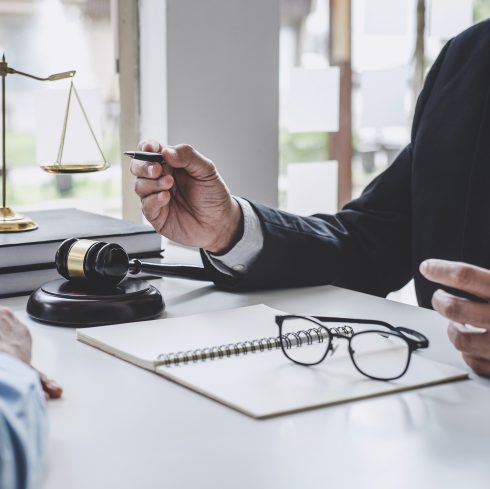
An arrest changes the temperature of a household fast. One phone call can turn an ordinary afternoon into a blur of booking procedures, bond questions, court dates, and fear about what comes next. In Lafayette, those moments carry a local texture. Cases move through specific judges, prosecutors, clerks, and procedures. The law is state law, but outcomes often turn on details that are very local, very practical, and easy to miss if you are trying to manage the situation alone.
That is why hiring a criminal defense lawyer is not simply about having someone stand beside you in court. It is about protecting your freedom, your record, your money, your reputation, and in some cases your ability to keep a job, stay in school, or remain with your family. A strong defense often starts long before trial. It starts with the first interview, the first bond hearing, the first police report, and the first strategic decision about what to say and what not to say.
People sometimes wait because they believe the facts are simple, or because they think cooperation alone will clear things up. In practice, criminal cases are rarely that tidy. Statements are misunderstood. Witnesses get details wrong. Police reports leave out context. Digital evidence tells only part of the story. A charge that sounds minor on paper can trigger consequences that last for years. A seasoned attorney knows where the case is vulnerable, what can be fixed early, and what risks need immediate attention.
A criminal charge is never just about the charge
Most people focus on the accusation itself. If the charge is DWI, simple battery, possession, theft, domestic abuse battery, juvenile allegations, or a probation violation, that becomes the center of attention. Yet the charge is only one piece of the problem. The hidden costs can be just as serious.
A conviction can affect professional licenses, firearm rights, immigration status, military service, insurance rates, housing applications, and child custody disputes. Even before any conviction, a pending case can disrupt employment and damage standing in the community. In a city like Lafayette, where personal and professional circles often overlap, reputational harm can arrive long before a judge reaches a verdict.
A criminal defense lawyer Lafayette LA residents trust will usually look beyond the courtroom and ask broader questions. Does the client hold a commercial driver's license? Is there a nursing board issue? Could a plea create an immigration problem? Is there a prior record that changes sentencing exposure? Those questions matter because the legally easiest path is not always the wisest path.
I have seen cases where a person was ready to plead guilty just to get home sooner, only to learn later that the plea jeopardized a career they had spent a decade building. I have also seen cases that looked terrible at first soften dramatically after records were obtained, videos reviewed, and witness timelines tested. Early legal advice often prevents permanent mistakes.
Local knowledge matters more than people expect
A defense lawyer is not valuable only because they know criminal statutes. They are valuable because they know how criminal cases actually work in the parish where the charge is pending. Lafayette has its own rhythms, personalities, expectations, and practical realities. That is not a criticism of the system, it is just how real courts function.
A lawyer familiar with local practice understands filing habits, scheduling patterns, diversion opportunities, bond considerations, and the arguments that tend to carry weight in that courthouse. That kind of experience helps with timing and strategy. It can shape whether a motion should be filed immediately or after additional investigation. It can influence how to approach a prosecutor with mitigation materials. It can affect how a bond reduction request is framed.
This local familiarity also helps clients set realistic expectations. Television has trained many people to expect surprise confessions or dramatic acquittals. Real criminal defense is more technical. It often involves reviewing body camera footage frame by frame, challenging the legality of a stop, locating overlooked witnesses, negotiating treatment-based alternatives, or explaining to a judge why a person deserves another chance. Lawyers who work regularly in Lafayette know what tends to help and what tends to hurt.
Police and prosecutors are building a case from day one
The state does not wait for you to catch up emotionally. Once an accusation surfaces, officers gather statements, collect physical evidence, review social media, obtain surveillance footage, and document timelines. Prosecutors assess what can be proved and how to present it. If you do not have counsel, you may be the only person in the process who does not fully understand the rules.
That imbalance creates risk. Many defendants talk too much because they believe honesty will resolve everything. The problem is not honesty. The problem is that casual explanations can be incomplete, poorly phrased, or taken out of context. A single sentence can become a damaging admission when stripped from the rest of the conversation.
A criminal defense attorney serves as a buffer. Law enforcement and prosecutors know they need to go through counsel. That immediately reduces the chance that a defendant will say something harmful in a stressful moment. It also allows the defense to control the flow of information more carefully. Sometimes the right move is to remain silent and challenge the evidence. Sometimes the right move is to present favorable material early. Knowing the difference is where judgment matters.
The evidence may be weaker than it first appears
Charges are often filed before the full picture is clear. Probable cause is a low standard. Conviction is not. That gap matters.
Consider how many cases depend on uncertain human memory. A witness may be sincere and still wrong about timing, distance, lighting, or identity. In a DWI case, the stop itself may be legally questionable. In a drug case, possession may not be as straightforward as it sounds if multiple people had access to the same vehicle or residence. In a domestic dispute, officers may arrive after emotions have peaked and may arrest someone based on limited visible evidence. In theft allegations, intent is often disputed and records can change the story.
A defense lawyer knows how to test these weaknesses. That can include subpoenaing records, examining chain of custody, reviewing dispatch logs, comparing body camera footage to written reports, hiring experts when necessary, or identifying constitutional violations. Clients are often surprised to learn how frequently paperwork contains inconsistencies. Something as simple as a wrong timestamp, omitted witness, or vague description can become important when the state must prove its case beyond a reasonable doubt.
This does not mean every case falls apart. Many do not. But it does mean no one should assume the state's version is complete or accurate just because charges were filed.
Early intervention can improve the outcome
One of the most common mistakes people make is waiting too long to hire counsel. They assume nothing important happens before the first major court appearance. In reality, early action can shape the entire case.
When an attorney gets involved quickly, they can preserve evidence that might disappear, such as surveillance video from a business or neighborhood camera footage that is routinely deleted after a short window. They can identify defense witnesses before memories fade. They can advise the client on bond conditions, no-contact orders, travel limits, treatment options, and social media risks. In some cases, they can open discussions with the prosecutor before positions harden.
Early representation is especially valuable when there are parallel problems developing outside court. An employer may need a measured explanation. A school may require documentation. A professional board may have reporting rules. A family court issue may be affected by the criminal allegation. The sooner legal strategy accounts for those moving parts, the better.
I have watched cases improve simply because a lawyer stepped in early enough to gather favorable evidence before it vanished. A convenience store camera does not wait for your next paycheck. Neither does a cell phone location log or a witness who is about to move.
Sentencing exposure is often misunderstood
People frequently underestimate the range of penalties they face. They may know the maximum jail sentence, but not the rest. Fines, probation conditions, mandatory classes, ignition interlock devices, restitution, license suspensions, protective orders, community service, drug testing, and court costs all have real weight. A plea that sounds manageable can become expensive and restrictive in daily life.
Prior convictions also matter. A second or third offense can increase penalties sharply. Some charges carry mandatory minimum consequences. Others trigger enhanced punishment when specific facts are alleged. In Louisiana, as elsewhere, the legal labels attached to conduct can influence everything from bail to eligibility for certain alternatives.
A defense attorney helps clients see the real landscape. That includes worst-case scenarios, but also the practical middle ground. Sometimes the best result is dismissal. Sometimes it is a reduction. Sometimes it is diversion, deferred adjudication where available, treatment court, or a plea structured to minimize collateral damage. Good advice is not just optimistic, it is specific.
Negotiation is a skill, not an afterthought
Most criminal cases do not end with a full trial. They are resolved through dismissal, reduction, diversion, negotiated plea, or some other agreement. That does not make the defense role less important. If anything, it makes attorney skill more important because so much depends on persuasion outside the dramatic setting of a jury trial.
Effective negotiation is built on preparation. A lawyer needs to know the facts, the law, the weaknesses in the state's proof, the client's history, and the human story behind the file. Prosecutors are more likely to engage seriously when they know defense counsel is prepared to litigate if necessary. Credibility matters. Relationships matter too, not in the sense of favoritism, but in the sense that professionals who regularly deal with one another understand each Criminal defense lawyer Lafayette LA other's standards and signals.
A well-prepared attorney can present mitigation in a way that changes the conversation. That may include treatment records, proof of employment, restitution efforts, counseling, character letters, military history, or evidence that the alleged conduct is out of character and unlikely to recur. These details do not excuse criminal behavior, but they often matter when prosecutors and judges decide what resolution is fair.
Trial readiness changes leverage
Even cases that settle often settle better when the defense is plainly ready for trial. Prosecutors can tell the difference between a lawyer who is posturing and one who has done the work. Trial readiness means motions are researched, witnesses are interviewed, exhibits are organized, and legal theories are clear.
That posture matters because the state carries the burden of proof. If the prosecution believes the defense can effectively challenge identification, suppress key evidence, expose contradictions, or create reasonable doubt, settlement options may become more favorable. On the other hand, when a defendant appears unrepresented or underprepared, the leverage is weaker.
A criminal defense lawyer Lafayette LA clients hire for serious matters should be able to evaluate when trial is worth Criminal defense lawyer Lafayette LA the risk and when a negotiated result better serves the client. That judgment is one of the hardest parts of the job. Some cases should be tried because the state cannot prove them fairly. Others should be resolved because the uncertainty of trial is too dangerous when weighed against a solid offer. That decision requires honesty, not bravado.
The right lawyer also protects you from your own panic
Fear makes people impulsive. They contact alleged victims against advice. They post online. They discuss the case by text. They assume deleted messages are gone forever. They skip court because they are embarrassed. They violate no-contact orders because they believe they are harmless. Those decisions can turn a manageable case into a much worse one.
Good counsel provides structure. Clients need clear instructions, not vague reassurance. They need to know what to do after release from custody, what documents to gather, how to behave in public, whether to seek treatment, and what risks to avoid while the case is pending. Practical guidance can be as valuable as courtroom advocacy in the early weeks.
Here are a few examples of mistakes defense lawyers routinely prevent:
- Giving a second, unnecessary statement to police in an attempt to "clear things up."
- Contacting a witness or complaining witness in a way that looks intimidating or manipulative.
- Posting jokes, screenshots, or angry commentary about the case on social media.
- Missing deadlines tied to bond conditions, court appearances, or license issues.
- Accepting the first plea offer without understanding long-term consequences.
Those are ordinary errors, not dramatic ones, and they happen all the time. Avoiding them can save months of damage control.
Some cases need investigation outside the police file
Police investigate for prosecution, not for the defense. That does not mean officers act in bad faith. It means their job is different. A defense lawyer may need to build an independent factual record.
In assault cases, that can mean uncovering earlier messages that show provocation, consent to a meeting, or self-defense context. In property crimes, it may involve transaction histories, ownership records, pawn logs, or employee access patterns. In DWI matters, it can mean looking closely at medical conditions, fatigue, roadside conditions, or video evidence that undercuts an officer's interpretation of field sobriety tests. In sex offense allegations, where emotions and stigma are intense, careful review of digital communications and timeline evidence can be critical.
Independent investigation is often where cases turn. I remember one matter where a client was certain no one would believe him because the incident report sounded polished and final. A later review of nearby surveillance, obtained before it was erased, showed enough inconsistency to reframe the entire event. The charge did not simply disappear, but the negotiating position changed dramatically because the official narrative no longer stood alone.
Public defenders play a vital role, but capacity matters
It is worth saying plainly that many public defenders are skilled, committed lawyers doing hard work under heavy caseloads. For some defendants, appointed counsel is the only option, and that representation is essential to the justice system. But there is still a practical reason many people hire private counsel when they can.
Time is a finite resource. A private attorney with a manageable caseload may have more flexibility for frequent client meetings, independent investigation, fast motion practice, and coordination with outside experts. That does not guarantee a better outcome, but it can improve responsiveness and depth of preparation. In higher-stakes cases, those differences can matter.
The issue is not status. It is bandwidth. Criminal defense is detail work, and details take time.
Cost should be measured against risk, not just budget
Legal fees are a real concern. For many families, hiring private counsel means making uncomfortable financial decisions. Yet the cost question should be framed honestly. A criminal case can generate financial damage far beyond attorney fees. Lost wages, job loss, jail time, increased insurance, license problems, travel restrictions, fines, and long-term record consequences all carry a price.
That does not mean the most expensive lawyer is the right one. It means value should be measured by judgment, preparation, communication, and fit for the case. Ask direct questions. How often will we meet? Who handles court appearances? What is your experience with this type of charge in Lafayette? What are the likely stages of the case? What outcomes are realistic? A solid lawyer should answer without theatrics.
When comparing options, people should look for a few things:
- Clear communication about fees, scope, and expected process.
- Experience with the specific charge, not just general courtroom exposure.
- A practical strategy grounded in facts, not grand promises.
- Willingness to discuss collateral consequences, not only jail risk.
- Professional candor about strengths and weaknesses in the case.
That kind of conversation often tells you more than a flashy website ever will.
The best defense is personal as well as legal
Every criminal file carries a human story. Sometimes it is a story about addiction. Sometimes it is youth and bad judgment. Sometimes it is a false accusation fueled by anger, custody conflict, or misunderstanding. Sometimes it is a genuinely serious mistake by someone who has never before seen the inside of a courtroom. A lawyer who sees only statutes and docket numbers will miss opportunities to present the client fully and fairly.
Judges and prosecutors are still dealing with people, not just case numbers. That does not erase accountability, but it does affect outcomes. A defendant who enters treatment early, keeps working, follows court orders, and demonstrates stability often stands in a better position than someone who drifts through the process passively. Counsel can help build that record.
For many clients, the case is also the first moment they confront larger issues in their lives. The legal defense and the life repair sometimes need to happen at the same time. That may mean substance abuse treatment, mental health care, anger management, restitution planning, or family counseling. A strong lawyer understands that legal strategy works best when it aligns with credible steps toward stability.
What hiring counsel really buys you
At bottom, hiring a criminal defense lawyer buys judgment under pressure. It buys someone who knows when to push, when to wait, when to negotiate, when to litigate, and when to tell you that a risky decision is still the right one. It buys procedure, strategy, and insulation at a time when emotion can otherwise take over.
If you are facing charges in Lafayette, the issue is not whether you can explain yourself. Most people can. The issue is whether your explanation can be translated into a legal defense that protects your future. Those are not the same thing. The law has its own language, deadlines, burdens, and traps.
A criminal accusation does not define the final outcome. But the early choices you make can shape it in ways that are hard to undo. Hiring an experienced criminal defense lawyer Lafayette LA residents can rely on is often the most important of those choices. When freedom, record, work, and family stability are all on the line, informed defense is not a luxury. It is the practical response to a serious problem.
Ikerd Law Firm
600 Jefferson St Ste 903
Lafayette, LA 70501
(337) 366-8994
FAQ About Criminal defense lawyer Lafayette LA
How much does a criminal lawyer cost in Louisiana?
Fees vary with the charges, complexity, expected work, and attorney's experience. Ask for a written fee agreement explaining the services included, payment schedule, and any separate expenses before hiring counsel. An initial consultation can help clarify the likely scope and cost of representation.
Who is the best criminal defense attorney in Lafayette, LA?
There is no single attorney who is the best fit for every case. Look for a Louisiana-licensed lawyer with experience handling similar charges, clear communication, and a fee arrangement you understand. Discuss the lawyer's approach during a consultation, and be cautious of anyone who guarantees a result.
How to afford a criminal defense lawyer?
Ask prospective attorneys about their fees and whether payment arrangements are available. If you cannot afford representation, ask the court or local public defender's office how to apply for appointed counsel. Eligibility depends on your finances, the case, and applicable requirements; appointment is not automatic.